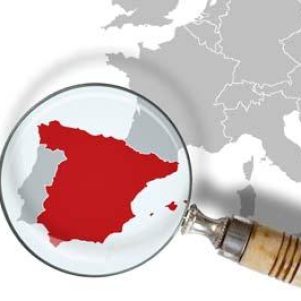
Employment compliance, also known as labour compliance, provides legal certainty and helps prevent liabilities from non-compliance with current legislation. Spanish labour law sets out obligations to protect workers’ rights, promote equal treatment, prevent harassment, and ensure adequate working conditions.
In this context, workforce size is relevant, as certain legal requirements depend on the number of employees. However, SMEs and smaller businesses are not exempt from complying with a core regulatory framework.
In this context, workforce size is relevant, as certain legal requirements depend on the number of employees. However, SMEs and smaller businesses are not exempt from complying with a core regulatory framework.
The applicable regulatory framework is primarily found in the Worker’s Statute or Estatuto de los Trabajadores, the Organic Law 3/2007 for the effective equality of women and men, the Law 31/1995, on Occupational Risk Prevention, and the Organic Law 3/2018 on Personal Data Protection and Guarantee of Digital Rights.
In this scenario, it is critical to distinguish between obligations common to all organisations and those triggered upon reaching specific statutory thresholds. This distinction allows for the design of a labour compliance system tailored to the specific characteristics of each business, avoiding both non-compliance and the implementation of unnecessary measures.
Common Labour Obligations for All Companies
Regardless of headcount, every entity must comply with a series of fundamental obligations regarding labour law, occupational health and safety, gender equality, and data protection:
- Remuneration / Equal Pay Register: The obligation to maintain a record containing average salary values, salary supplements, and non-salary benefits of the workforce, broken down according to legally established criteria.
- Working Hours Register: The requirement to ensure a daily record of each worker’s working hours, including the exact start and end times of their work activity.
- Prevention of Sexual and Gender-Based Harassment: The duty to promote working conditions that prevent such conduct and to establish specific procedures for its prevention and management.
- Prevention of Workplace Harassment or Mobbing: The adoption of preventive measures and the establishment of adequate mechanisms to report, investigate, and manage potential harassment situations.
- Occupational Risk Prevention (PRL): The integration of preventive measures into the organisation, risk assessment, and planning of necessary actions to protect the health and safety of the workforce.
- Workplace Calendar: The drafting and public display of the annual work calendar according to the terms set forth by applicable regulations.
- Data Protection in Video Surveillance and Recording Systems: Adherence to the principles of lawfulness, transparency, proportionality, and purpose limitation, as well as providing prior notification when cameras or other recording systems are used.
- Right to Digital Disconnection: Respecting workers’ rights to disconnect outside their working hours, without prejudice to specific obligations regarding the drafting of formalised internal policies.
A smaller workforce does not eliminate obligations regarding prevention, record-keeping, and rights protection. Companies with fewer than 50 employees must maintain a well-established basic compliance structure.
Internal Policies and Protocols: Occupational Risk Prevention and Management
In addition to general statutory obligations, companies must adopt measures to prevent infractions and manage workplace risks.
Among the primary labour compliance instruments, the following stand out:
- Sexual and Gender-Based Harassment Protocol: Establishes preventive measures, communication channels, investigation guidelines, and guarantees for affected individuals. Its content must align with specific legislation and be communicated to all employees.
- Workplace Harassment (Mobbing) Protocol: Defines how conduct constituting psychological harassment or mobbing is detected and managed. It must be structured coherently with occupational risk prevention obligations and the rights of the parties involved.
- Digital Disconnection Policy: The company must guarantee respect for rest periods, leave, holidays, and personal/family privacy. Organic Law 3/2018 provides for an internal policy aimed at defining how the right to disconnect is exercised, alongside training and awareness initiatives.
- Video Surveillance and Recording Protocol: When a company uses cameras or recording systems, it must properly inform affected individuals, respect legal limits, and ensure the lawful processing of recorded images.
- Occupational Risk Prevention Plan: The company must integrate risk prevention into its general management system, including assessments, preventive planning, training, and other actions required based on its activity and associated risks.
The mere formal existence of these documents does not guarantee compliance by itself. To be effective, they must be actively communicated to the workforce, applied in daily practice, periodically reviewed, and supported by proper record-keeping.
Conclusion
A review of employment compliance must begin with an analysis of the company’s real situation: headcount, business activity, applicable collective bargaining agreements (CBAs), and existing procedures.
Based on this diagnosis, specialised legal advice enables organisations to identify applicable obligations, draft protocols tailored to operational realities, and schedule periodic reviews. Proper planning allows businesses to anticipate labour inspections, minimise penalty risks, and consolidate a corporate culture rooted in legality and transparency.
Frequently Asqued Questions
Yes. The daily registration of working hours is mandatory for all companies in Spain, regardless of headcount or sector.
Yes. All companies, regardless of size, are legally required to have a protocol for the prevention and management of sexual and gender-based harassment.
The equal pay register is mandatory for all companies and records average salary values. An equal pay audit is a broader, in-depth analysis that is only mandatory for companies required to have an Equality Plan (Plan de Igualdad).
The mere formal existence of a document does not exempt a company from liability. In the event of a labour inspection or judicial proceeding, the company must demonstrate the effective implementation, dissemination, and practical application of these protocols.
Do you need to verify whether your company complies with basic labour compliance obligations in Spain?