Energy Law

How the Carbon Credit Market Works in Spain

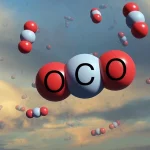
The carbon credit market in Spain is subject to third-party verification through the Carbon Footprint, Offsetting, and Carbon Absorption Projects Registry. This entity ensures that the generation of carbon credits complies with the characteristics of the registered project.

Read more

The European Commission sets the requirements for green hydrogen in the EU

In line with the European strategy to increase the production and use of renewable energy, the European Commission has promoted renewable electricity to produce renewable liquid and gaseous fuels of non-biological origins, such as hydrogen. To this end, it has defined the requirements that hydrogen and other hydrogen-based fuels must meet to be “green”, reducing some of the legal uncertainty.

Read more

What is collective self-consumption?

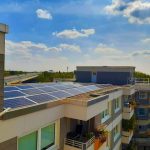
Self-consumption is how a person or company supplies itself with electricity through its installation, instead of buying it from a supplier. Collective self-consumption is a modality in which several persons jointly use a photovoltaic installation to benefit from the energy generated without registering as marketers.

Read more

Energy law in Spain (4): Innovations for identifying and securing free grid capacity of the electricity grid

The changes introduced by Royal Decree-Law 23/2020 and Royal Decree 1183/2020 include important innovations regarding the future identification of free network capacity for energy projects in Spain and grant important benefits in cases of hybridization of projects. The new regulation also provides clarity in the case of modification of projects that already have grid connection and feed-in authorization.

Read more